In Solidarity With Ukraine: writers and journalists from Argentina visited Ukraine
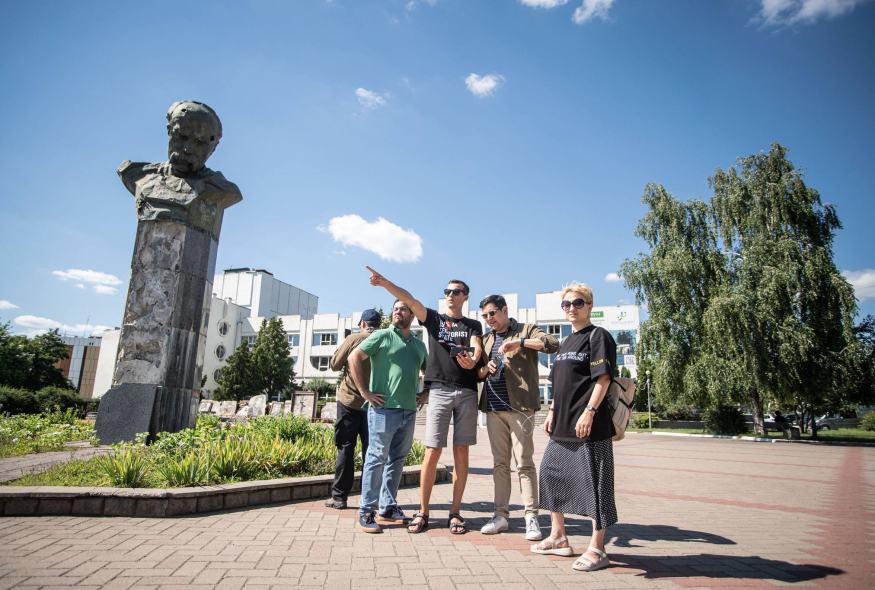
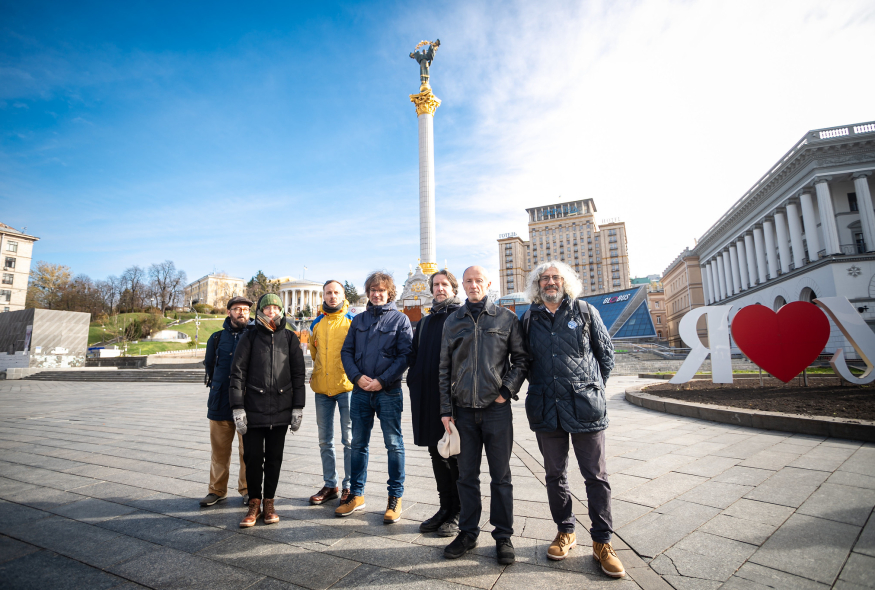
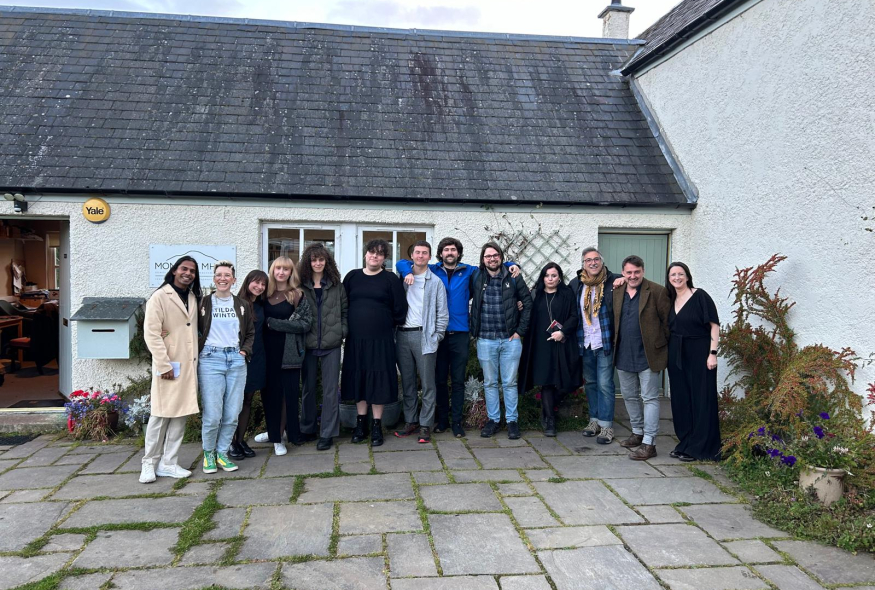
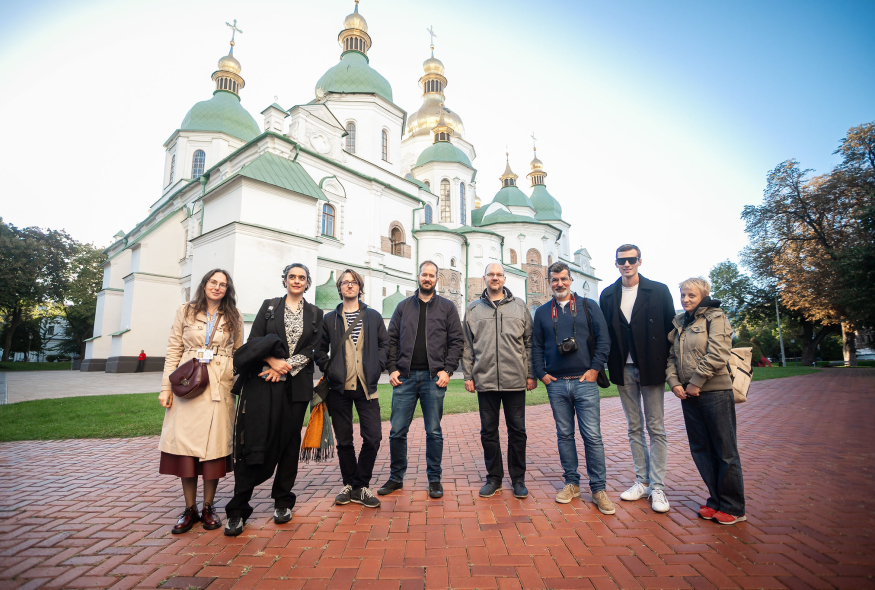
PEN Ukraine hosted a delegation of cultural and human rights activists from Argentina. The visit took place within In Solidarity With Ukraine program supported by the International Renaissance Foundation.
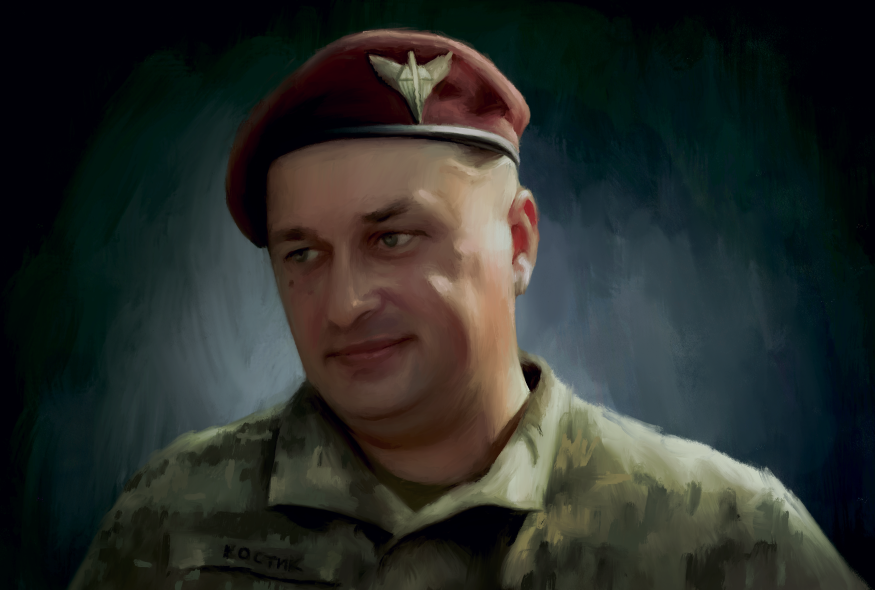
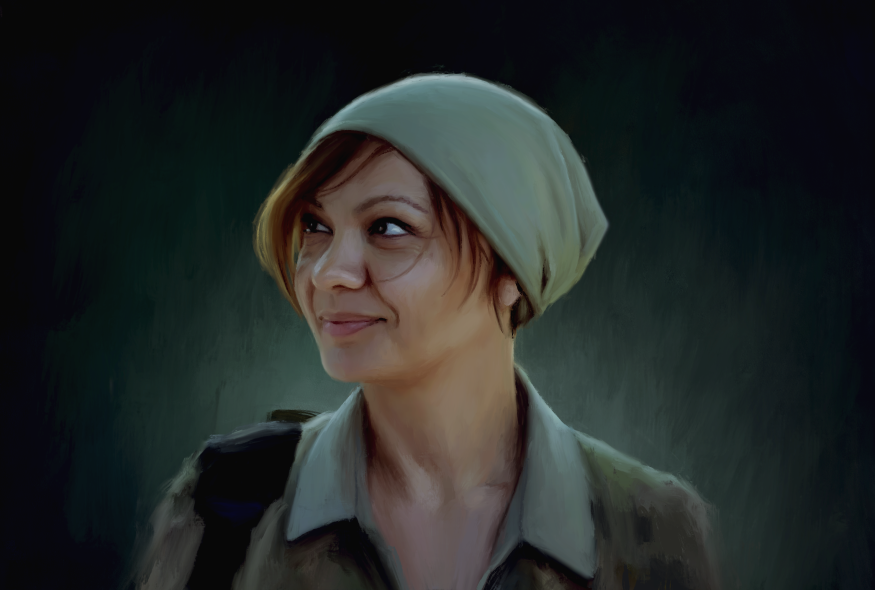
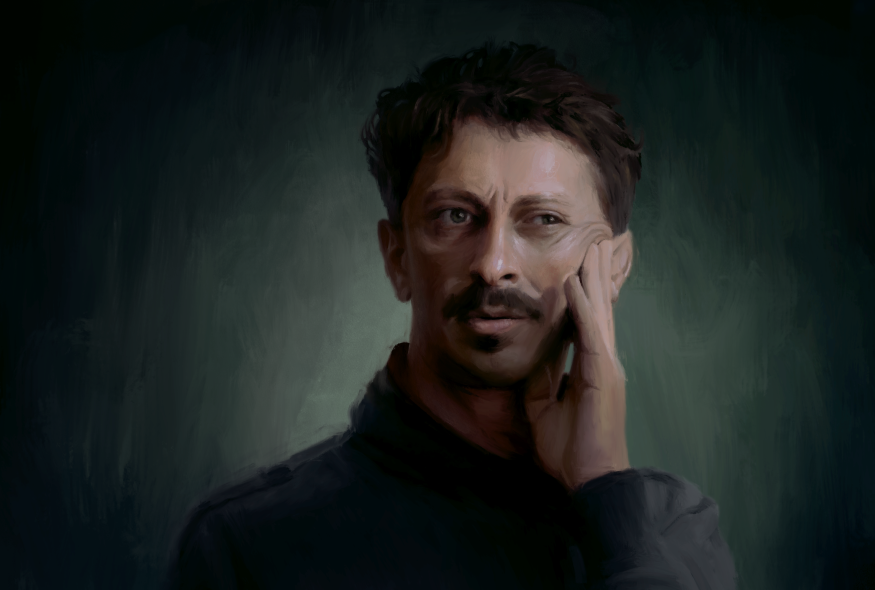
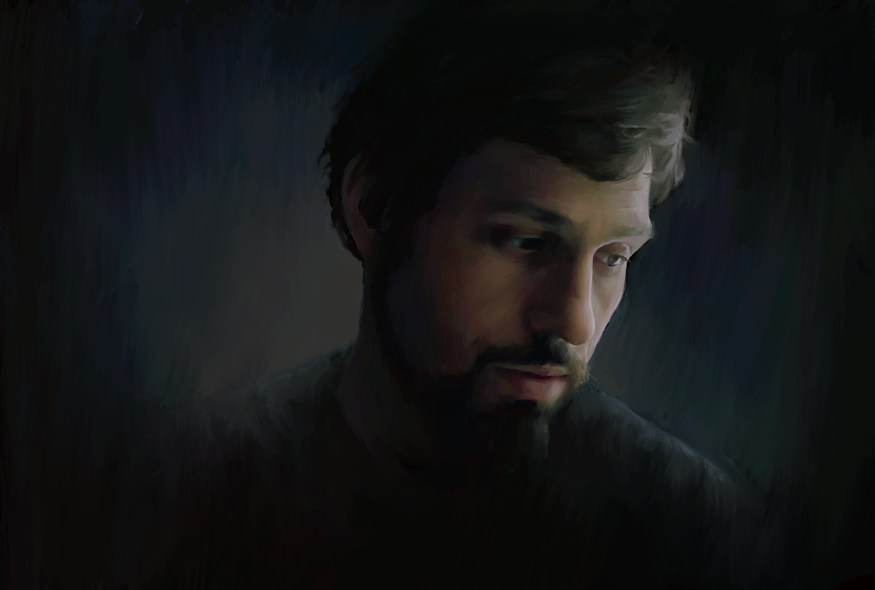
The delegation included journalist Alejo José Sanchez Piccat, poet and novelist María Rosa Lojo, writer and journalist Hinde Pomeraniec, human rights activist and professor of international law Ignacio de Casas, and international correspondent James Gatica Matheson.
Their acquaintance with Ukraine began from the tour around key sightseeing attractions of Kyiv. The delegates also visited the Khanenko Museum and the Museum of Holodomor.
For poet María Rosa Lojo, this was a possibility to discover the fact that Russia has been attempting to eliminate Ukrainian culture for centuries.
"We have in our country a perfectly integrated Ukrainian community. But most Argentinians know very little about Ukraine’s historical and cultural background. Our travel allowed me to discover the long and complex Ukrainian struggle for independence, not only political but cultural and linguistic. I understand that these issues are in the center of this war; that you feel (and are) harshly menaced in your right to be yourselves. The evidence of the "cultural genocide" perpetrated by Russian invaders, not only in this war but many times along your history, is overwhelming," said she.
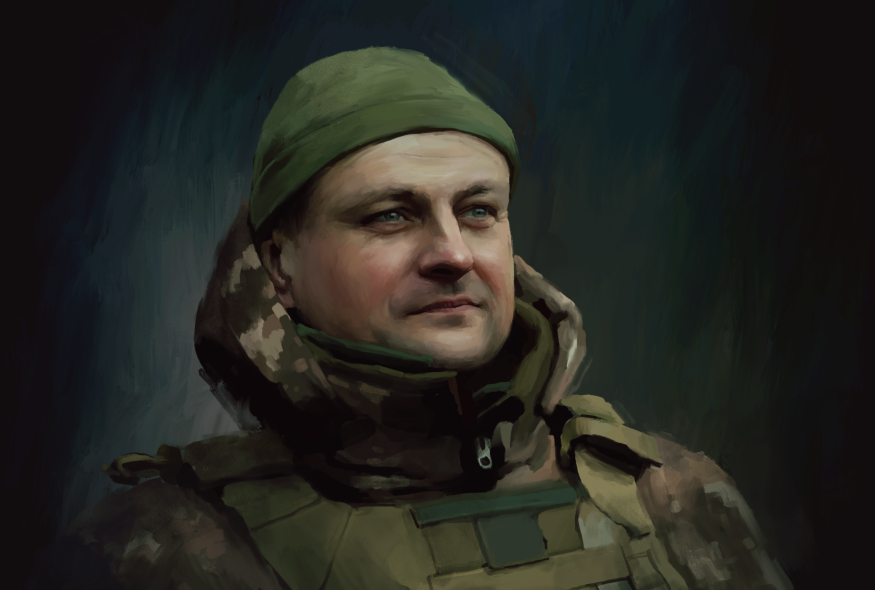
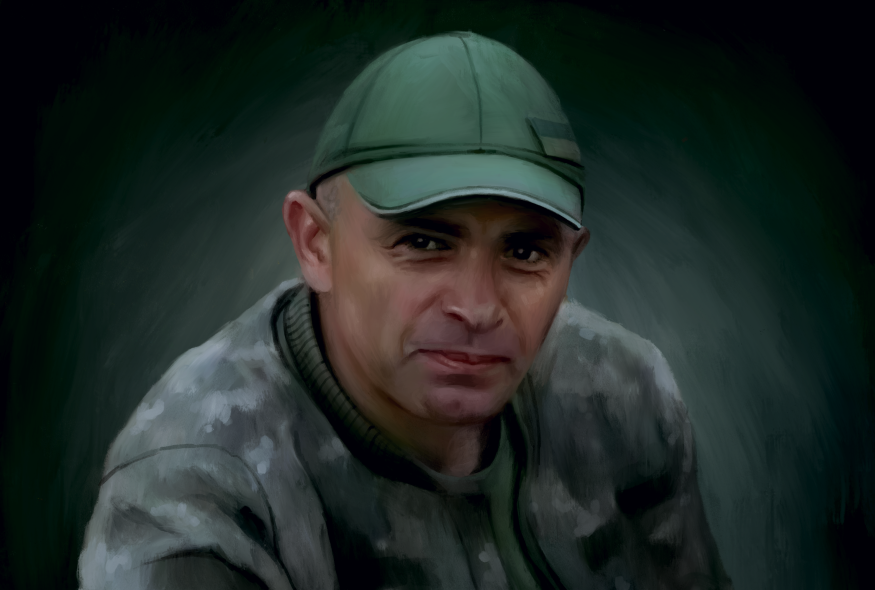
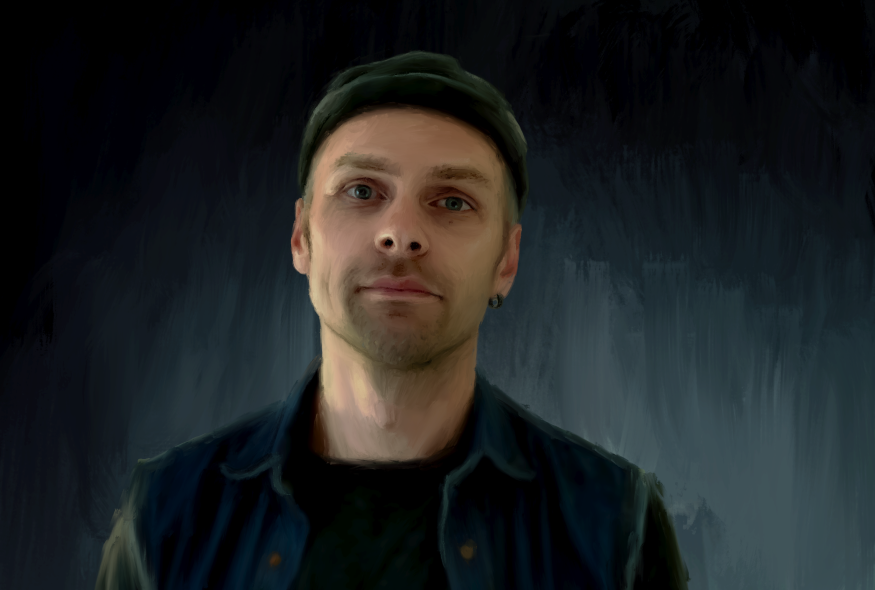
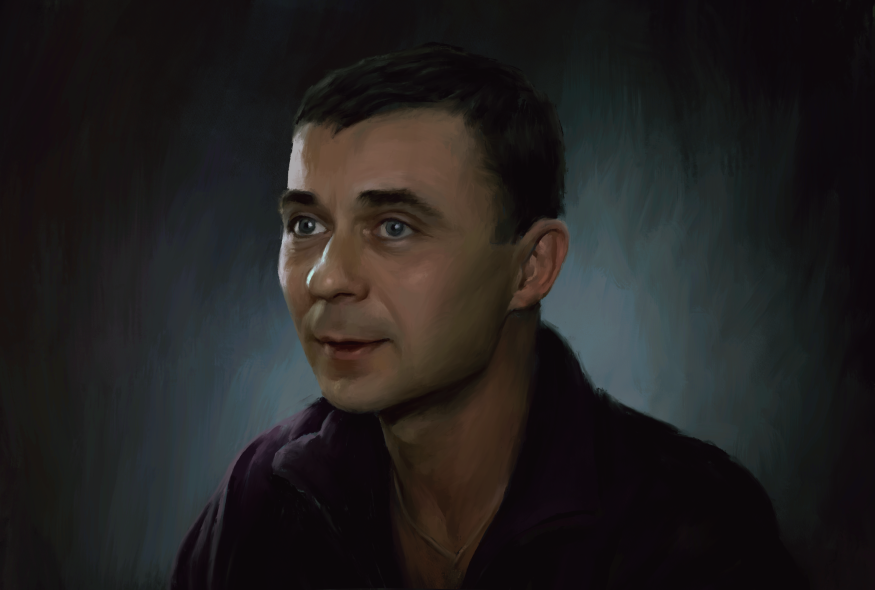
During the five-day visit, the delegation met Ukrainian cultural activists, human rights defenders, and journalists. Thus, they had a meeting with human rights defender and head of the Center for Civil Liberties Oleksandra Matviichuk and visited the Mission of the President of Ukraine in the Autonomous Republic of Crimea. A meeting with war correspondents Stas Kozliuk, Myroslav Laiuk, and Mykhailo Palinchak was organized for them at PEN Ukraine Space. One of the evenings was also dedicated to the public discussion about the role of culture in forming the memory about the war, moderated by writer Andrii Kurkov.
"What struck me the most about Ukraine was how war can so transform all dimensions of a country's social, working, family and cultural life. I observe that cultural organizations have become human rights organizations involved in the war from their place. Companies collaborate and get involved in the war effort. People, their habits and their ideas, are marked and influenced by the presence of a common enemy, by the death of loved ones, by the struggle to survive, to the point that they seem to move and test their innermost convictions," said Ignacio de Casas, human rights activist, Vice Dean of the Faculty of Law of the Austral University (Buenos Aires).
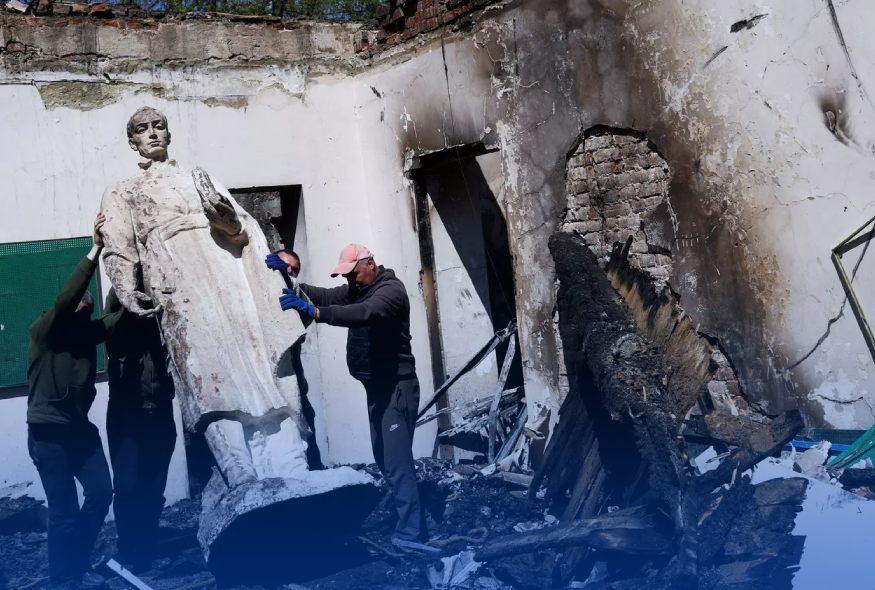
Additionally, the delegates visited de-occupied Kyiv region to see firsthand the consequences of Russian aggression in Bucha, Borodianka, and Irpin. Argentinian authors also went to the village of Yahidne in the Chernihiv region where the Russian occupiers had forcibly held 368 civilians under inhumane conditions in March 2022.
Remembering her strongest impressions from the visit, author, journalist, and editor Hinde Pomeraniec said: "Having been able to be in places like Bucha, Irpin or Yahidne is of incalculable value to me and is an encouragement to continue telling the story of the Russian invasion and the war".
Associate editor of Escenario Mundial, founder and director of Politólogos al Whisky Alejo José Sanchez Piccat seconded that:
"One of the things that impressed me most about Ukraine is the human warmth of its people. Despite the horror of war, they have managed to generate a camaraderie that transcends the trenches and permeates all aspects of daily life. Anna Vovchenko, coordinator of the program, taught me a moving lesson: in Ukraine, 'one hugs more, and for longer' due to the current situation. This simple yet profound gesture reflects how adversity has strengthened human bonds."
Argentinian authors are convinced that this experience will help them to cover the topic of Ukraine more thoroughly at home. According to journalist Alejo José Sanchez Piccat, the most crucial thing now is to maintain a constant flow of truthful news from Kyiv and amplify the voices of those who directly suffer the ravages of war.
"The visits to memorial sites, the dialogue with Ukrainian writers, journalists and activists provided me with a rich material to communicate and spread among the Argentinian audience", — stressed María Rosa Lojo.
Human rights defender Ignacio de Casas said that this trip changed his vision of the consequences of war on the lives of civilians:
"I have been teaching human rights and international humanitarian law for years, but books and theory cannot adequately express the suffering and scars that war can leave, both in the present and for many years to come. I think I am now much more sensitized to the issue and will be able to (try to) pass that on to my students."
He also added that he would try to make this reality more visible through his interviews and opinion pieces for the press.
Impressed by Ukrainians’ hope and resilience, international correspondent James Gatica Matheson said:
"Hearing their testimonies has given me a much broader understanding of the conflict, its historical implications, and what may lie ahead. As journalists, we have a crucial role in highlighting the realities of war crimes and promoting awareness both in the Latin American region and across the international community."
Informational partner of In Solidarity With Ukraine program — Espresso TV Channel.
Photos: Anastasiia Mantach, Artem Galkin
 Source - Еспресо
Read also:
We need your help to create projects and materials aimed to defend freedom of speech, popularize Ukrainian culture and values of independent journalism.
Your donation means support for discussions, awards, festivals, authors’ trips to regions and PEN book publications.